
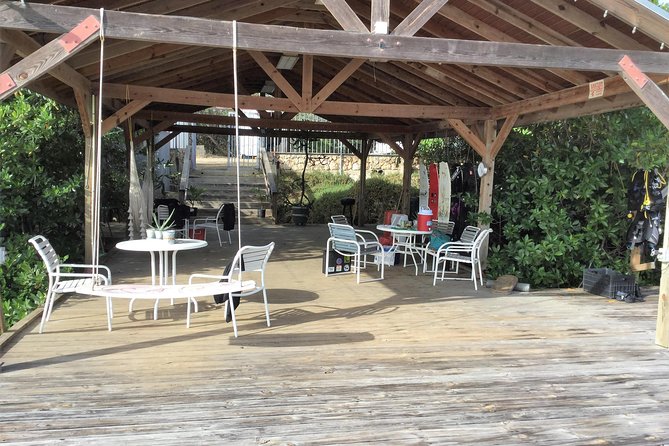
Reviewed · ARUBA SCUBA DIVING TRIPS
Aruba 2-Tank guided Dive for certified divers / own equipment
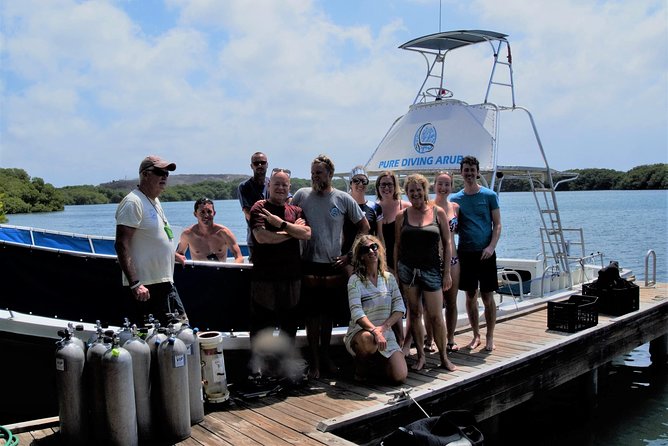
Two tanks beat one, every time. This Aruba outing is built for certified divers who want calm water time and a strong shot at reef and wreck wildlife on the island’s quieter south side. It runs in a small group, so you get real attention instead of getting swept along like luggage.
I really like the hotel pickup coverage. It’s offered from specific resort areas and even from the cruise terminal, which means less stress before you’re geared up. I also love that the plan uses your own equipment, so you’re not stuck adapting to someone else’s fit or parts.
One thing to consider: you’ll be expected to show up with your gear ready to go, and you need to plan your day because you’re not allowed to fly for at least 24 hours afterward. If either of those would be a headache, this may not be your best fit.
In This Review
- Key reasons this Aruba 2-tank plan works
- How the morning flows: pickup, briefing, then two tank sessions
- What I’d watch for
- Aruba’s quieter south-coast sites: reefs and wrecks with wildlife potential
- Shore vs. boat: why the Drumfish matters
- The value of using your own equipment (and what to do if something’s missing)
- Practical gear checklist (quick and useful)
- Personalized instruction in a very small group
- Why this matters for seeing marine life
- Two-tank timing: more water time and better odds for the day’s highlights
- Price and value: $109 plus tax, with pickup and two sites
- Who should book this Aruba 2-tank outing—and who should skip
- Timing and the 24-hour no-fly rule you must plan for
- Booking and meeting points: where you’ll start the day
- Should you book this Aruba 2-tank outing?
- FAQ
- Is this Aruba trip only for certified divers?
- How long is the experience?
- What time does it start?
- Where are the pickup locations?
- Where do I meet if I’m not picked up?
- Does the price include equipment?
- What marine areas will you visit?
- How big is the group?
- Can I fly after the trip?
- What extra cost should I plan for?
Key reasons this Aruba 2-tank plan works
- Small group feel: capped at a maximum of 6 travelers (and described as very small in practice), so guidance stays personal
- Two underwater sessions: longer water time than a single-tank outing means more chances for coral and fish encounters
- South-coast sites: focused on quieter areas, which can make the whole morning feel calmer
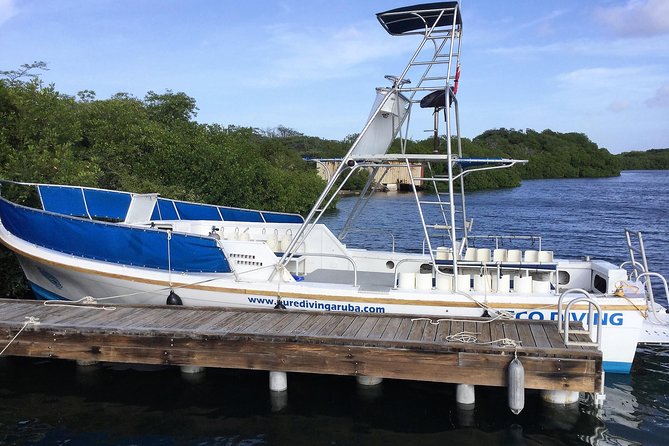
- Shore or boat options: sometimes from shore, mostly aboard the Drumfish
- Hands-on help with your gear: instructors will assist if you need setup tweaks
- Included refreshment: fresh fruit and drinking water keep the pre- and post-water stretch easier
Below the surface again, more dive trips off Aruba
- Aruba One or Two Tank Scuba Dive★ 4.5 · 195 reviews
- Aruba PADI Scuba Diving Program Non Certified Divers★ 5.0 · 99 reviews
- Half-Day Aruba Intro Diving Course for Beginners★ 4.5 · 97 reviews
- Aruba 2-Tank Guided Dive for Certified Divers / rental equipment★ 4.5 · 70 reviews
How the morning flows: pickup, briefing, then two tank sessions
This trip runs about 4 hours, starting with pickup and a morning start time of 8:30 am. In general, you’ll head toward Aruba’s southern side and get going around the 9 am to 1 pm window for your two planned underwater sessions.
The rhythm is straightforward. You arrive, you get organized, and you check in with your instructors. Then you do the first underwater session at one site. After that, there’s a surface interval (with time to re-check gear and catch your breath), followed by a second underwater session at another location.
Because it’s two-tank, the schedule is built to give you meaningful time underwater rather than feeling rushed. That matters if you like taking things slow and watching behavior—rather than just ticking off a sight.
What I’d watch for
Ask your instructor to confirm your own plan for buoyancy and comfort before you enter the water. Since the trip uses your gear, small fit issues can turn into big distractions once you’re underwater. A quick adjustment on land saves a lot of frustration later.
Aruba’s quieter south-coast sites: reefs and wrecks with wildlife potential
The whole point of this outing is targeting lesser-known areas on Aruba’s southern side rather than the most crowded routes. That tends to feel better for a few reasons: the water often feels calmer, and the group stays small enough that you can actually move with purpose instead of following a crowd line.
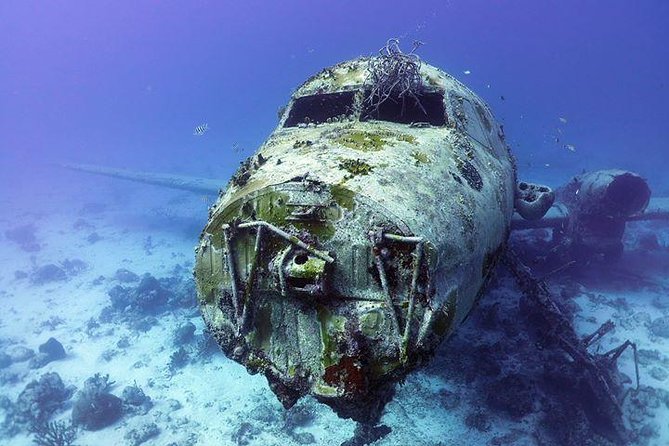
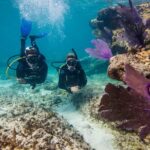
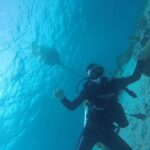
Your two locations are a mix of coral reef scenery and shipwreck areas, depending on conditions. Even if your experience level is high, that combination is a good match: reefs support schooling fish and coral life, while wrecks often bring in different behaviors and shelter-seeking species.
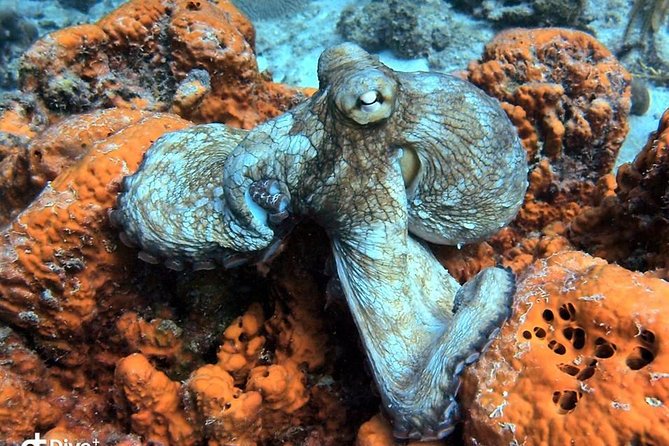
In the feedback I’ve seen from divers who’ve done this format, the recurring themes are strong visibility and lots of fish activity, plus sightings like green eels. No guarantee, of course, but it’s a helpful expectation: the plan is aimed at places where you have a realistic chance of seeing more than just average rubble and scattered fish.
Shore vs. boat: why the Drumfish matters
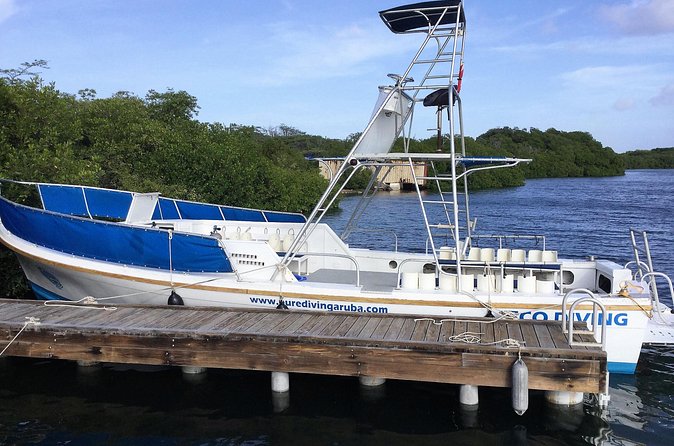
Sometimes the first session is done from shore. Other times, it’s mostly from the boat, and the operator’s boat is the Drumfish. Either way, the practical takeaway is that you’re not locked into only one type of access.
Boat access can cut down on surface time if the site is farther out. Shore access can mean less transfer time and a simpler entry. Since the plan mentions both, you’re less likely to feel like the outing was “only one way” and you’ll get a more flexible experience day to day.
With a local leading the way, more guided days in Aruba

The value of using your own equipment (and what to do if something’s missing)
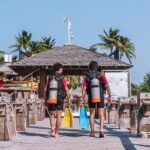
Here’s a big deal in this trip: it’s performed with your dive equipment. That’s a benefit, because you already know how your mask seals, how your weight system feels, and how your breathing setup responds. Less mental friction usually means more attention for what’s around you—fish, coral, and the shapes of wreck structures.
The trade-off is also real: you need to arrive prepared. Before you go in the water, set up your gear so it feels comfortable to you. The instructors can help if you need help, but you’re still responsible for having the right parts and a setup you recognize.
Equipment is not included in the price. If you’re missing parts, you can rent them at the shop for fair prices, but they ask for cash. That’s easy to plan for: pack cash just in case you’re short on something small.
Practical gear checklist (quick and useful)
You don’t need anything fancy. You just need the basics to work smoothly:
- Mask and regulator fit checks before leaving the surface
- Weighting you’re confident in
- That your hoses and gauges are secure and ready
- Your setup feels comfortable enough that you won’t keep tweaking it mid-session
Personalized instruction in a very small group
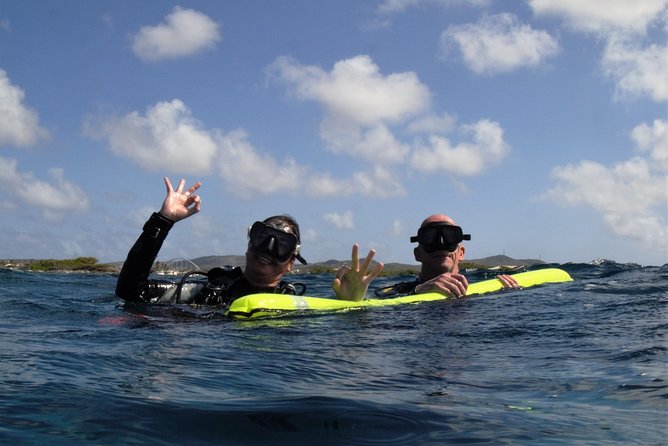
Small-group scuba formats are one of those things that sound nice until you feel it. With this trip, the group size is capped, which translates to more instructor attention during the planning and while you’re underwater.
That’s especially helpful if you’re intermediate and want to build confidence. It’s also helpful if you’re experienced and you want clearer guidance on routes, wreck structure viewing angles, and where to focus your attention.
In one standout mention from guide experience in the information I saw, Alonzo was called out for great guiding. Another mention also references Alonso in an instructor-in-training role. The common thread is that the guidance is friendly and hands-on, and that’s what you want when you’re spending a chunk of your morning underwater.
Why this matters for seeing marine life
Marine life spotting isn’t only about luck. It’s about staying calm, moving efficiently, and not disrupting the environment. A small group helps you keep spacing, lets your instructor adjust to your buoyancy comfort level, and gives you more time to watch behavior instead of just moving on.
Two-tank timing: more water time and better odds for the day’s highlights
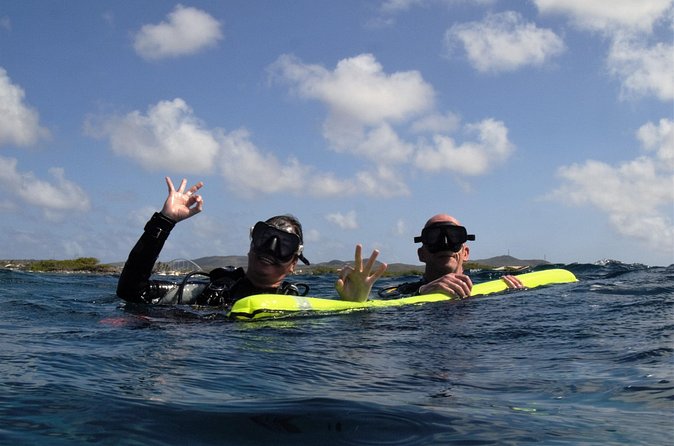
A single-tank outing can be fun. Two tanks usually changes the feel of the entire trip.
With two-tank planning, you get:
- Longer total time underwater
- Two separate sites to compare
- Less pressure to rush from one thing to the next
This matters for reefs and wrecks because both reward patience. Reef fish behavior often changes slowly—tiny movements, schooling patterns, and occasional surprises. Wreck areas can be the same: shelter movement and fish activity tend to show up as you spend time looking, not as you dash past.
Even if you’re a strong diver, two tanks can be a confidence-builder because you’re not constantly asking yourself how to manage the clock. You can focus on buoyancy and observation, then enjoy the second site without feeling like you’re racing the schedule.
Price and value: $109 plus tax, with pickup and two sites
The price is $109 per person. That’s for the guided format with two underwater sessions, plus pickup coverage in select areas.
To judge value fairly, look at what’s included:
- Pickup and drop-off in specific resort zones (and cruise terminal pickup)
- Fresh fruit and drinking water
- Small-group guidance
- Use of your equipment (so you don’t have to “figure out” a rental setup)
Then look at what’s not included:
- Dive equipment (rent available for missing parts)
- A local government tax of 7%
That means your total cost is usually a bit higher once tax is added, and you may want to budget cash if you need any rental parts. Still, you’re paying for the convenience and time savings: you’re not self-organizing transport and you’re not trying to find a last-minute guide for two sites.
If you’re already bringing your own equipment and you like being in the water longer, this price can feel solid for what you get. If you need to rent lots of equipment, the value shifts. In that case, you’d want to confirm what parts you truly need before the day starts.
Who should book this Aruba 2-tank outing—and who should skip
This trip fits best if you’re:
- A certified diver who wants two separate underwater sessions in one morning
- Someone who prefers small groups and more personal guidance
- A diver who’s comfortable preparing your own gear and managing your comfort underwater
- Looking for reef-and-wreck variety on Aruba’s south side
It might not be your best match if you:
- Are not currently certified
- Don’t want the 24-hour flying restriction afterward
- Want full equipment provided (since equipment isn’t included)
It also has a minimum age of 10 years, so it can work for older teens with the right certification, but the core requirement is still certified diving.
Timing and the 24-hour no-fly rule you must plan for
There’s a clear schedule rule here: after your underwater sessions, you’re not allowed to fly for at least 24 hours. That’s not a “maybe” clause—it’s a firm planning point.
If your Aruba trip includes a same-day flight, this is the kind of small rule that can ruin the plan. If you’re staying at least a day after your outing, it’s easy to manage and just becomes part of your itinerary.
Booking and meeting points: where you’ll start the day
Your meeting point is on Bucutiweg in Oranjestad, and the activity ends back there. Start time is 8:30 am.
Pickup is offered from select resort areas, including:
- Palm/Eagle resorts
- Harbor House
- Renaissance resorts
If you’re arriving by cruise ship, there’s also cruise terminal pickup outside gate 3 in front of the Harley Davidson shop.
This setup is practical. It keeps you from wasting your best morning hours on complicated transit. It also helps you arrive with a calm head, which is good when you’re about to get geared up.
Should you book this Aruba 2-tank outing?
Book it if you want a calm, small-group morning with two underwater sessions aimed at reefs and wrecks on Aruba’s quieter south side. The combination of pickup convenience, personalized guidance, and the chance at fish and eel sightings makes this a strong choice for certified divers who value quality time in the water.
Skip it if you need full equipment provided, or if your schedule forces same-day flying. Also skip if you’re not ready to show up with equipment that feels comfortable to you—because the trip expects you to be set, and help is there, but the responsibility starts with you.
If you’re planning ahead and you’re a confident certified diver, this is the kind of Aruba excursion that makes the trip feel smoother and more intentional.
FAQ
Is this Aruba trip only for certified divers?
Yes. It’s listed as only for certified divers, and you’ll need to use your own scuba gear for the sessions.
How long is the experience?
It runs about 4 hours (approx.).
What time does it start?
The start time is 8:30 am.
Where are the pickup locations?
Pickup is offered from Palm/Eagle resorts, Harbor House, and Renaissance resorts. Cruise terminal pickup is outside gate 3 in front of the Harley Davidson shop.
Where do I meet if I’m not picked up?
The meeting point is on Bucutiweg in Oranjestad, and the activity ends back there.
Does the price include equipment?
No. Dive equipment is not included. If you’re missing parts, they can be rented at the shop for fair prices, with cash requested.
What marine areas will you visit?
You’ll visit two reef or wreck locations on Aruba’s southern side, with access that can be from shore sometimes and mostly aboard their boat, the Drumfish.
How big is the group?
The activity lists a maximum of 6 travelers.
Can I fly after the trip?
No. You’re not allowed to fly for at least 24 hours after the underwater sessions.
What extra cost should I plan for?
A local government tax of 7% is not included in the price.
More Days With a Guide Along

More Tour Reviews in Aruba


More Dives Off the Coast
Not quite your thing? Keep scrolling for more to do around Aruba





Aruba Scuba Diving Trips, compared.
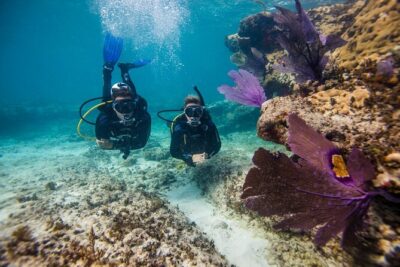 ★ 4.5Aruba One or Two Tank Scuba DiveFrom $30195 reviews
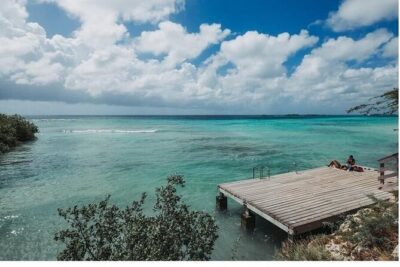 ★ 5.0Aruba PADI Scuba Diving Program Non Certified DiversFrom $9999 reviews
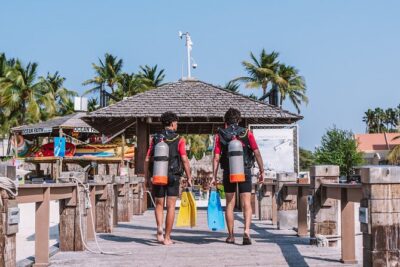 ★ 4.5Half-Day Aruba Intro Diving Course for BeginnersFrom $10497 reviews
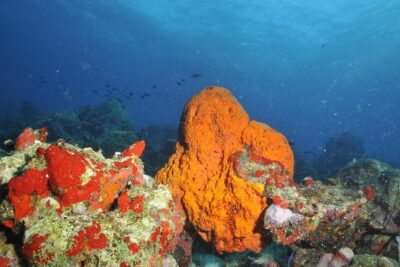 ★ 4.5Aruba 2-Tank Guided Dive for Certified Divers / rental equipmentFrom $14470 reviews
 ★ 5.0Guided Padi Discover Scuba Diving for Non-Certified DiversFrom $12033 reviews
 ★ 4.5Shore Dive Aruba for Certified DiversFrom $9533 reviews
 ★ 4.5Aruba 1-Tank guided Dive for certified divers with rental equipmentFrom $9914 reviews
 ★ 5.0Private Dive + videographer/Photographer (Certified divers only)From $12011 reviews
Browse the lists this tour appears in