
Reviewed · ARUBA PARASAILING ADVENTURES
Aruba Parasailing with Unparalleled Views
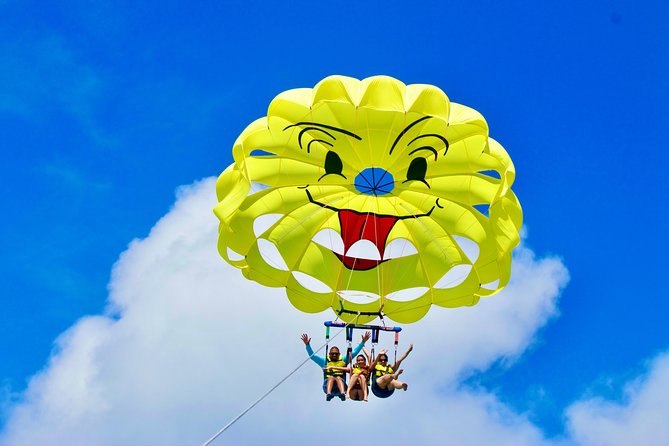
Want a new view fast? Aruba parasailing turns a beach day into an instant aerial postcard, launching from the Holiday Inn area and lifting you above the High Rise Hotel zone for about 13 minutes of flight time. You’ll get matched into a single, tandem, or triple setup based on weight and wind, then glide over crystal water while Aruba’s coastline spreads out below.
Two things I really like: first, the crew focus on making the process feel calm and controlled, even for nervous first-timers. Names that show up in past feedback include RJ, Lemwell, Gio, and Luis, and the common thread is patient instructions and a smooth launch. Second, you’re in a small group (up to 12), so you’re not stuck waiting around forever for your turn.
One consideration: the captain and wind conditions can change what you’re eligible for (solo vs tandem/triple), and weather can also affect whether flights go out. So keep your schedule flexible on the day.
In This Review
- Key Things I’d Zoom In On
- Palm Beach Takeoff: Frank’s Place Watersport and Where You Meet
- How You’re Paired: Weight Rules and Single vs Tandem vs Triple
- Before You Fly: What the Small Group Setup Feels Like
- The Lift-Off Moment: 13 Minutes Above Aruba’s Coast
- Safety Reality Check: Why the Crew’s Method Builds Confidence
- Timing and Timeslots: Fit It Into Your Aruba Day
- Price and Value: Is $70 Worth It?
- Photos, Video, and Camera Reality on the Water
- Weather and Wind: Why Your Flight May Shift
- Should You Book Frank’s Place Parasailing in Aruba?
Key Things I’d Zoom In On
- Small group (max 12): less waiting, more time doing the thing
- Single, tandem, or triple: pairing based on weight and wind rules
- Palm Beach launch near the Holiday Inn: easy to find on the water’s edge
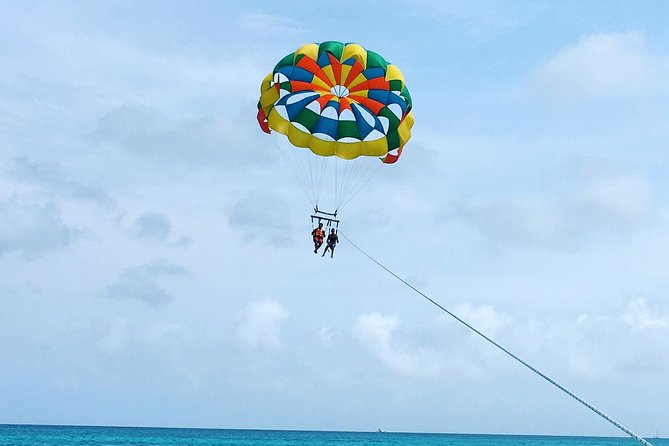
- About 13 minutes in the air: short enough to fit a day plan, long enough to really enjoy it
- 35+ years of experience: guidance that’s practiced, not improvised
- Bring your camera: you’ll want it once the island opens up below
Back up for the view, more parasailing over Aruba
- Aruba Parasailing with Unparalleled Views★ 5.0 · 473 reviews
- Aruba Parasailing Experience from Noord★ 5.0 · 241 reviews
- Parasailing in Palm Beach★ 5.0 · 109 reviews
- Parasailing Adventure Aruba★ 4.5 · 23 reviews
Palm Beach Takeoff: Frank’s Place Watersport and Where You Meet
Your parasailing experience starts at Frank’s Place Watersport on the beach at the Holiday Inn (Palm Beach) area. The meeting point is described as being on the sand at the Holiday Inn, with a Yellow and Green Hut listed for the Noord-side location. It’s right by the water, so you’re not hiking across Aruba just to start the fun.
If you’re using public transport, this stop is listed as being near public transportation, which matters because Aruba days can involve a taxi hop or two. Also note that service animals are allowed, so if that applies to you, this activity is set up with that in mind.
One practical upside of the setup: it’s a real beach operation with a visible launch area, not a “meet somewhere then wander” kind of tour. You’ll know where to be, and once you’re checked in, the process tends to move efficiently—especially since the activity caps at 12 travelers.
How You’re Paired: Weight Rules and Single vs Tandem vs Triple
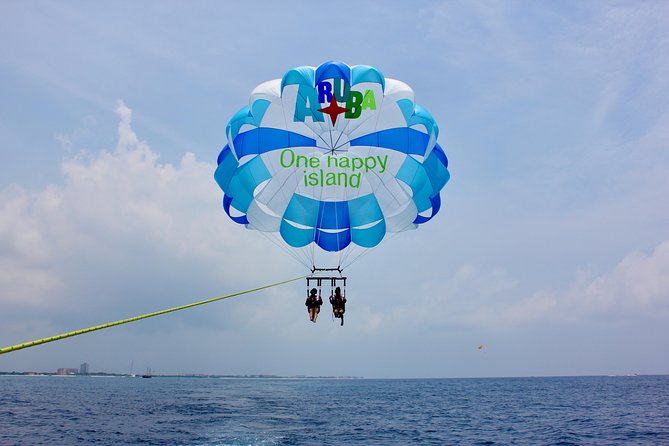
Before anyone straps in, the key job of the crew is to pair you into the right flight style. The operation uses weight and wind restrictions to decide whether you fly alone or ride with others. This part matters because it keeps the system within safety limits—and it also affects how exciting the ride feels.
Here are the limits you should plan around:
- You must be at least 5 years old to participate.
- To fly alone, you must weigh at least 120 pounds (this may vary with wind conditions).
- Tandem and triple flights are available with a maximum combined weight of 350 pounds (also may vary with wind/weather).
There’s also a clear rule that the captain has final authority on all flights based on current and forecasted weather. Translation: don’t assume you’ll automatically get the exact setup you booked (solo vs tandem/triple). The crew can adjust to stay within safe limits.
This is also why first-timers often feel reassured. If you’re nervous about heights, it helps to know you’re not just being handed gear—there’s a structured process, and the staff works within restrictions instead of improvising.
Before You Fly: What the Small Group Setup Feels Like
Once you’re on site, you’ll get geared up and walked through the steps. The operation is built for speed and clarity: you meet, you suit up, and then you sail out to the parasailing location as a small group.
That small-group cap (again, up to 12 travelers) makes a real difference. Instead of watching a long parade of people cycle through equipment and wait for turns, you’re usually up sooner. It also keeps the energy calmer—less chaos, more focus.
As for what you’ll do on the water before lift-off, the info provided is straightforward: you sail out to the parasailing location, get set up, and then fly. In past feedback, some people mention a brisk speed-boat ride, so you should expect the typical motion of a boat heading out—nothing extreme is guaranteed, but it’s not a floating lounge either.
Bring a camera if you care about photos. The whole point is getting Aruba from the air, and once you’re up, you’ll likely want to capture coastline, sandbars, and the color shift in the water.
The Lift-Off Moment: 13 Minutes Above Aruba’s Coast
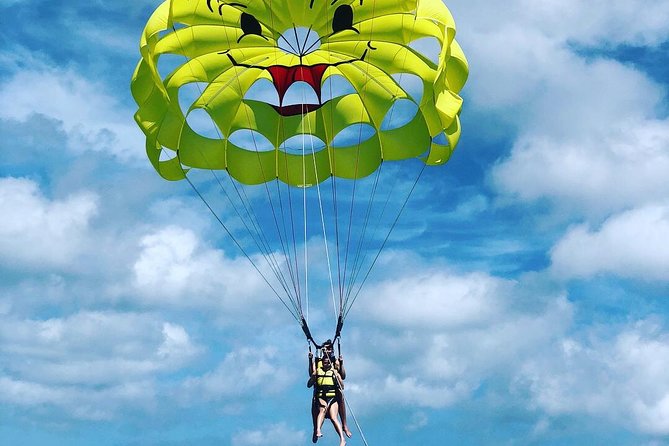
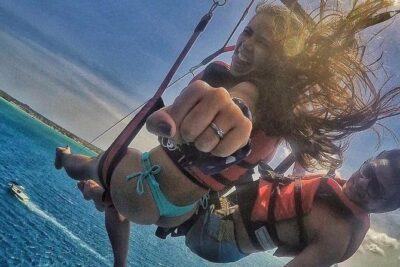
The core experience is the air time—about 13 minutes (approx.)—flying above Aruba from the Palm Beach area. Your lift-off is built to feel controlled, and the ride is often described as peaceful and serene once you’re up.
From the air, the island changes scale fast. You’re not just looking at beaches anymore—you’re seeing how the coastline bends, where the sand turns from pale to bright, and how the water colors shift from light turquoise to deeper blue. Several past highlights point to jaw-dropping views like turquoise water and wide sightlines across the island.
There’s also a fun detail you might appreciate: one review mentions seeing a turtle. Wildlife sightings aren’t promised, but it’s a reminder that this is not just “sky photos.” When conditions are right, you might catch something moving below.
One thing to remember about wind: even if the experience feels calm, wind can affect the ride a bit. If you’re the type who hates surprises, remind yourself the captain is watching conditions and flights are adjusted accordingly.
Safety Reality Check: Why the Crew’s Method Builds Confidence
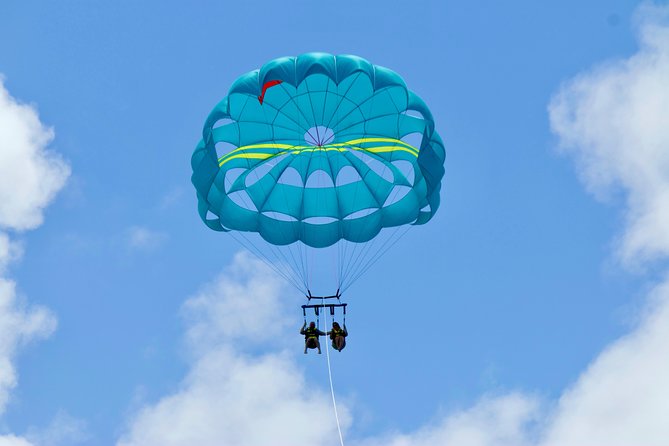
Aruba parasailing here runs on rules, not guesses. That’s clear from the stated limits and the captain’s authority. The minimum/maximum weight restrictions exist because the system has to stay within safe parameters—and those parameters can shift with wind.
You also get real-world comfort from how the crew runs the setup. Past feedback repeatedly highlights:
- Clear instructions before lift-off
- Staff who keep people calm, including those afraid of heights
- A professional vibe that makes the process feel straightforward
One review mentions a situation where a parachute issue required the staff to outfit and test a second one before continuing. That’s not something you can plan for, but it does suggest they treat equipment checks seriously. The takeaway for you: ask questions before you go up, confirm strap fit, and tell the crew if anything feels off. You don’t need to be dramatic—just be direct.
Also, there’s one complaint worth noting as a consideration: one person said the company used its own device for photos/videos and they never received them later. The lesson is simple: if getting your own photos is important, plan to bring your own camera and use it yourself. Then confirm what the staff can and can’t capture and how you’ll get your content.
Timing and Timeslots: Fit It Into Your Aruba Day
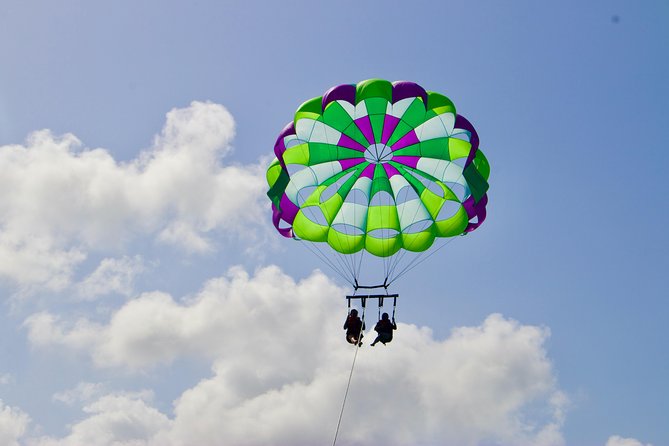
This parasailing experience offers several timeslots, which is useful because Aruba weather and wind change through the day. Since the captain can adjust or cancel for conditions, having more than one scheduling option increases your odds of getting a flight that day.
Duration is listed as 13 minutes (approx.), which makes it easy to tack onto a half-day plan. You’re not committing to a full tour day. It’s a focused activity: arrive, gear up, fly, return.
Who it fits best:
- First-time flyers who want an experience that feels organized and reassuring
- Couples and friends looking for a fun shared moment (tandem is a common way to do that)
- Families with kids who are old enough (minimum age is 5) and can follow directions
If you’re traveling with younger kids, the weight rules and age minimums are your main constraints, not the ride itself. The reviews also describe staff being patient and accommodating, which matters when you’re trying to keep a kid calm before lift-off.
Price and Value: Is $70 Worth It?
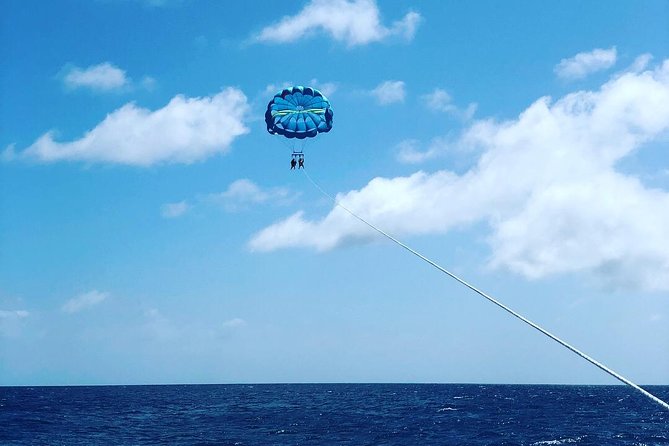
At $70 per person, you’re paying for something specific: a professional parasailing operation, gear, crew time, and the boat ride out to the flying zone. The flight itself is short—about 13 minutes—but short doesn’t mean small impact. The aerial view is the whole product, and most people remember the perspective more than the clock.
So the value comes down to your priorities:
- If you want a big Aruba-view moment without spending hours on a boat, $70 can feel very fair.
- If you’re expecting a long sightseeing tour with lots of stops, this isn’t that. It’s a compact activity built around lift-off and views.
I also like that the group size is limited. In plain terms, that often leads to less waiting and smoother transitions—which improves your experience even if you only care about the flight.
Photos, Video, and Camera Reality on the Water
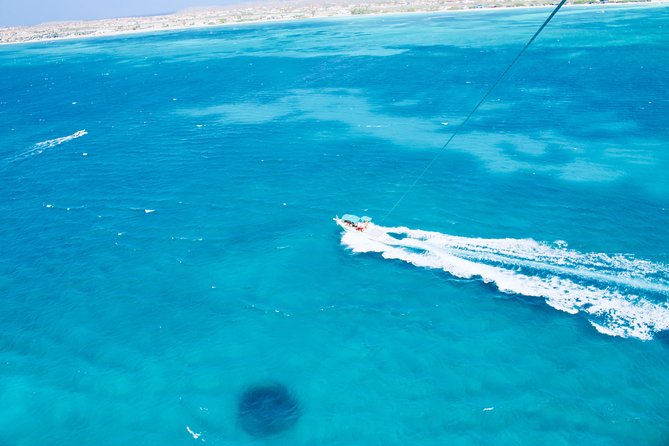
The tour info encourages you to bring your camera. That’s good advice because once you’re up, you’re working with wind, height, and bright light. Handheld shots can be tricky, so having your own device is the cleanest path to getting the images you want.
One past issue to learn from: a customer complained they were told they could not take photos/videos unless using their own device, and later the staff took content on their own device which they didn’t receive. I can’t confirm how that works for every visit, but you should treat it like a practical question you solve ahead of time.
Before you launch, ask how photos/videos are handled:
- Can you bring and use your own camera during the flight?
- If staff capture content, how do you receive it?
- Is it immediate, later, or not available?
If you care about keeping control of your own memories, bring a secure way to hold your camera and plan to use it yourself.
Weather and Wind: Why Your Flight May Shift
Parasailing is weather-dependent. The experience is described as requiring good weather, and if it’s canceled due to poor weather, you’ll be offered a different date or a full refund.
Wind can also affect flight assignments. The weight and flight-type rules explicitly note that limits may vary depending on wind condition, and the captain makes the final call. That’s not a flaw—it’s the system working.
What you can do to protect your plans:
- Choose a timeslot that gives you flexibility later in the day.
- Keep your expectations flexible on solo vs tandem/triple if wind changes.
- Arrive on time so staff can make decisions quickly and keep everyone safe.
Should You Book Frank’s Place Parasailing in Aruba?
Yes—if you want the classic Aruba experience of seeing the island from above, in a way that tends to feel calm, organized, and fun. I’d book this when you’re:
- A first-timer who wants clear guidance and a crew that puts nervous flyers at ease
- Someone who values a small group and quick, efficient flow
- You’re okay with the reality that wind and captain decisions can affect the flight setup
I’d pause before booking if:
- You’re strongly focused on receiving staff-shot photos/videos with no effort on your part (clarify the process first)
- Your schedule is rigid and you can’t shift if wind or weather changes
If your goal is a short, memorable adrenaline-and-views moment with serious attention to safety, this is a solid pick for Aruba’s Palm Beach area.
More Tour Reviews in Aruba


More Airtime Over the Water
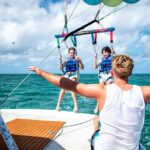

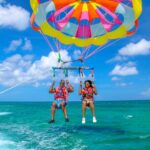
Not quite your thing? Keep scrolling for more to do around Aruba





Aruba Parasailing Adventures, compared.
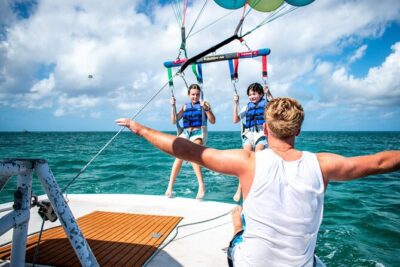 ★ 5.0Aruba Parasailing Experience from NoordFrom $70241 reviews
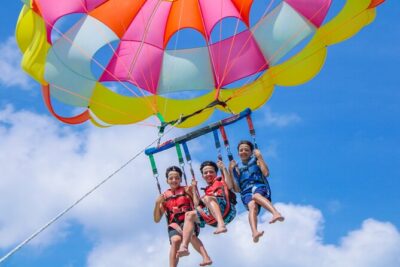
 ★ 5.0Parasailing in Palm BeachFrom $70109 reviews
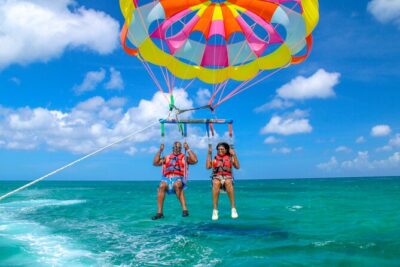
 ★ 4.5Parasailing Adventure ArubaFrom $8523 reviews
 ★ 5.0Parasailing and Photography Session ExperienceFrom $1159 reviews
Browse the lists this tour appears in